1. Quick call, clear plan
You tell the team what was found and where. It explains how the sweep will go and what access it needs.
Logansport, IN · Cass County
Clearing out a relative's home or a storage unit in Logansport and found syringes? Call (877) 812-4220. A cleanup team can search every drawer, remove the sharps and disinfect the area.
If anyone is in danger, call 911 first. For a suicide crisis, call or text 988.
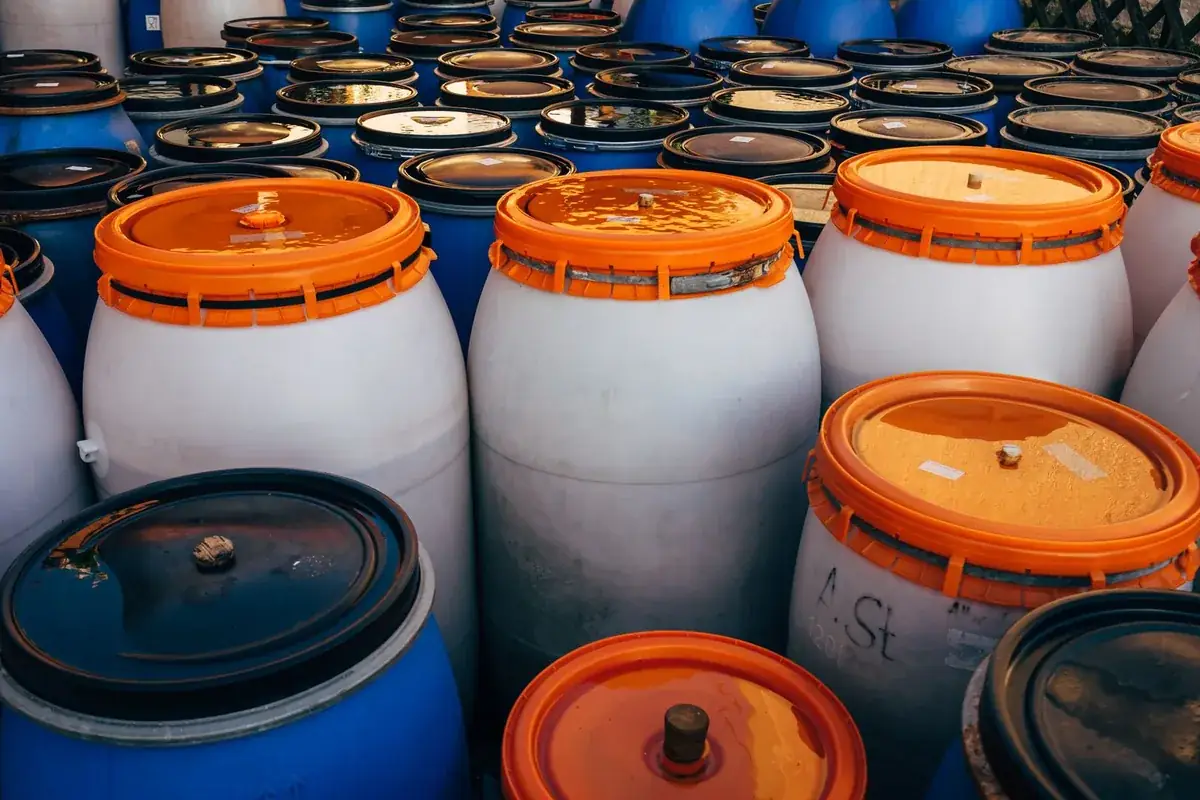
Used needle disposal means placing needles and syringes into rigid containers made to resist punctures, then sending them to a facility that treats medical waste. It keeps workers, children and pets safe.
Treat a found needle in Logansport as a safety problem first, and call Logansport Biohazard Cleanup Help for help anywhere in Cass County. The team keeps people clear, collects sharps into sealed containers and disinfects any surface that came into contact with them, so your property is safe again.
Renters make up about 38% of households in Logansport, so landlords and property managers often need a sharps sweep after a move-out. If anyone is stuck by a needle, the nearest emergency room is Memorial Hospital in Logansport, about 1 miles from Logansport. Call 911 in an emergency.
A typical needle & sharps cleanup job includes:
You tell the team what was found and where. It explains how the sweep will go and what access it needs.
Crews put on protective gear and search the whole area, including corners, drawers and under furniture.
Tools lift each sharp into a container. Lids are locked, and containers are labeled for transport.
The room is cleaned, odors are handled if needed, and the owner gets a summary of the work.
The cost of needle & sharps cleanup in Logansport, IN depends on the amount of material, how it is packed and how it is hauled.
Hidden spots slow the work. Cluttered rooms, dense brush and storage areas take longer to search than clear, open ground.
| Type of job | Typical range |
|---|
These ranges come from published cost guides () and are not a quote for Logansport. Price drivers include number of items, where they are found, whether a sweep of a large area is needed, waste disposal. For a real number, call (877) 812-4220.
A used needle can carry bloodborne pathogens such as hepatitis B, hepatitis C and HIV. The chance of infection from one stick depends on many things, and a doctor can explain what applies. Get medical care promptly after any stick or cut.
Some cities and counties collect found needles from public land at no charge, and many do not. Availability varies. The local health department or public works office can say what exists where you live, and a cleanup team can help with private property.
No. Do not search for them yourself. Tell the team what you have seen and where, and the crew will check the rest of the space in protective gear. Searching by hand is how many sticks happen.
Lease terms and local law decide. A landlord, an attorney or a tenant rights group can say who is responsible. In many cases the property owner books the sweep first so the unit can be used again, and the cost is sorted out afterward.
Safer options exist. Many cities and health departments have programs for found needles and may give instructions or send someone. If you are unsure, do not touch it. Leaving a needle in place and keeping others away is safer than risking a stick.
No. Crews focus on safety and cleanup, not on why the needles are there. The team asks only what it needs to plan the work, and you decide what else to share.
Describe what you saw and where, and the team will explain the next step.
Call (877) 812-4220